HDPE vs PVC Pipes – Which Is Better for Construction Projects in Riyadh?
Introduction
Contractors in Riyadh often ask: HDPE or PVC pipes – which is better? The answer depends on project requirements, pressure, environment, and long-term durability.
HDPE Pipes – Advantages
High flexibility
Excellent chemical resistance
Suitable for underground installations
Long lifespan (50+ years)
Common uses:
Water supply
Irrigation
Infrastructure projects
PVC / UPVC Pipes – Advantages
Lightweight and easy to install
Cost-effective for plumbing
Corrosion resistant
Widely used in buildings
Common uses:
Plumbing systems
Drainage
Sanitary lines
HDPE vs PVC – Quick Comparison
Feature
HDPE
PVC
Flexibility
High
Low
Pressure resistance
High
Medium
Cost
Medium
Lower
Underground use
Excellent
Limited
Which Pipe Should You Choose in Riyadh?
Large infrastructure projects → HDPE
Commercial & residential plumbing → PVC/UPVC
Dak Al Arabia supplies both HDPE and PVC pipes in Riyadh, helping contractors select the right material.
Need help choosing the right pipe for your project?
When it comes to constructing robust, long-lasting buildings, the choice of materials is crucial. Steel structure systems have become the backbone of modern construction, providing unmatched durability, flexibility, and strength.
At DAC Company, we specialize in the design, fabrication, and installation of steel structures, ensuring the structural integrity and longevity of your construction projects. In this blog, we will explore the benefits of steel structure systems and how DAC Company’s expertise can enhance your building projects.
steel structure systems supplier
The Advantages of Steel Structure Systems
Steel structures offer several advantages over traditional building materials, making them a preferred choice for a wide range of construction projects:
1. Durability and Strength
Steel is renowned for its high strength-to-weight ratio, which means it can support heavy loads without being excessively bulky. This makes it ideal for constructing large buildings and structures that require substantial support. Steel’s inherent strength also ensures that structures can withstand adverse weather conditions, including high winds and seismic activities.
2. Flexibility in Design
One of the key benefits of steel structures is their flexibility in design. Steel can be molded into various shapes and sizes, allowing architects and engineers to create innovative and aesthetically pleasing designs. Whether you are constructing a commercial building, an industrial facility, or a residential complex, steel structures provide the versatility to meet your specific design requirements.
3. Quick and Efficient Construction
Steel structure systems can be prefabricated off-site, reducing the time required for on-site construction. This not only speeds up the building process but also minimizes disruptions and ensures higher precision in the assembly of components. Faster construction times mean reduced labor costs and quicker project completion.
4. Sustainability
Steel is a recyclable material, making it an environmentally friendly choice for construction projects. At DAC Company, we prioritize sustainable practices by using recycled steel and implementing efficient fabrication processes that minimize waste. By choosing steel structures, you are contributing to a more sustainable future.
5. Cost-Effectiveness
Although the initial cost of steel structures may be higher than traditional materials, the long-term benefits make it a cost-effective option. Steel structures require less maintenance and have a longer lifespan, resulting in lower overall costs over the life of the building. Additionally, the speed of construction reduces labor costs and allows for quicker returns on investment.
DAC Company’s Expertise in Steel Structure Systems
At DAC Company, we pride ourselves on our comprehensive expertise in steel structure systems. Our services encompass the entire lifecycle of steel construction, from initial design to final installation.
Design
Our team of experienced architects and engineers work closely with clients to develop customized designs that meet their specific needs. We use advanced design software to create detailed blueprints and 3D models, ensuring precision and accuracy in every project. Our design process takes into account various factors such as load-bearing requirements, environmental conditions, and aesthetic preferences.
Fabrication
Our state-of-the-art fabrication facilities are equipped with the latest machinery and technology. We adhere to stringent quality control measures to ensure that every component meets the highest standards of excellence. Our skilled technicians and craftsmen meticulously fabricate steel components, paying close attention to detail and precision.
Installation
Our installation team comprises trained professionals with extensive experience in assembling steel structures. We follow industry best practices and safety protocols to ensure the smooth and efficient erection of steel structures on-site. Our project managers oversee the entire installation process, coordinating with other contractors and stakeholders to ensure timely completion.
Ensuring Structural Integrity and Longevity
Structural integrity and longevity are paramount in construction. At DAC Company, we understand the critical role that steel structures play in the stability and safety of buildings. Our commitment to quality, precision, and innovation ensures that our steel structure systems provide the robust backbone your buildings need.
By choosing DAC Company for your steel structure systems, you benefit from:
Unmatched Expertise: Our team’s extensive knowledge and experience in steel construction.
Customized Solutions: Tailored designs that meet your specific project requirements.
Quality Assurance: Rigorous quality control measures throughout the fabrication and installation process.
Sustainability: Environmentally responsible practices that reduce waste and promote recycling.
Cost Efficiency: Long-term savings through reduced maintenance and increased durability.
Conclusion
Steel structure systems are essential for modern construction, offering unparalleled strength, flexibility, and sustainability. DAC Company’s expertise in design, fabrication, and installation ensures that your buildings have a robust backbone, providing structural integrity and longevity. Whether you are embarking on a commercial, industrial, or residential project, trust DAC Company to deliver exceptional steel structure solutions tailored to your needs.
Contact us or email us at info@dacksa.com today to learn more about how our steel structure systems can elevate your construction projects to new heights.
Carbon Steel Pipes Supplier in Riyadh – A Complete Buyer’s Guide for Construction Projects
Choosing the right carbon steel pipe supplier in Riyadh is critical for construction, industrial, and infrastructure projects. Quality, compliance, delivery timelines, and technical support directly impact project success.
Dak Al Arabia Trading & Contracting provides premium carbon steel pipes tailored for contractors, subcontractors, and trading companies across Riyadh.
Why Carbon Steel Pipes Are Widely Used in Construction
Carbon steel pipes are preferred because they offer:
High strength and durability
Resistance to pressure and temperature
Cost-effective solution for large projects
Compatibility with water, oil, gas, and industrial systems
Common applications include:
Water supply systems
Firefighting pipelines
HVAC systems
Industrial process piping
Types of Carbon Steel Pipes We Supply in Riyadh
Seamless carbon steel pipes
Welded carbon steel pipes
SCH 40 / SCH 80 pipes
Custom sizes based on project requirements
All materials meet international standards required for Saudi construction projects.
How to Choose the Right Carbon Steel Pipe Supplier in Riyadh
Before selecting a supplier, ensure they offer:
✔ Certified materials ✔ Consistent stock availability ✔ Competitive pricing ✔ Fast delivery within Riyadh ✔ Technical assistance
Dak Al Arabia meets all these criteria and supports projects from quotation to delivery.
Why Choose Dak Al Arabia?
Trusted B2B supplier in Riyadh
Serving construction & contracting companies
Quality-controlled materials
Competitive wholesale pricing
Reliable logistics support
Looking for a trusted carbon steel pipe supplier in Riyadh?
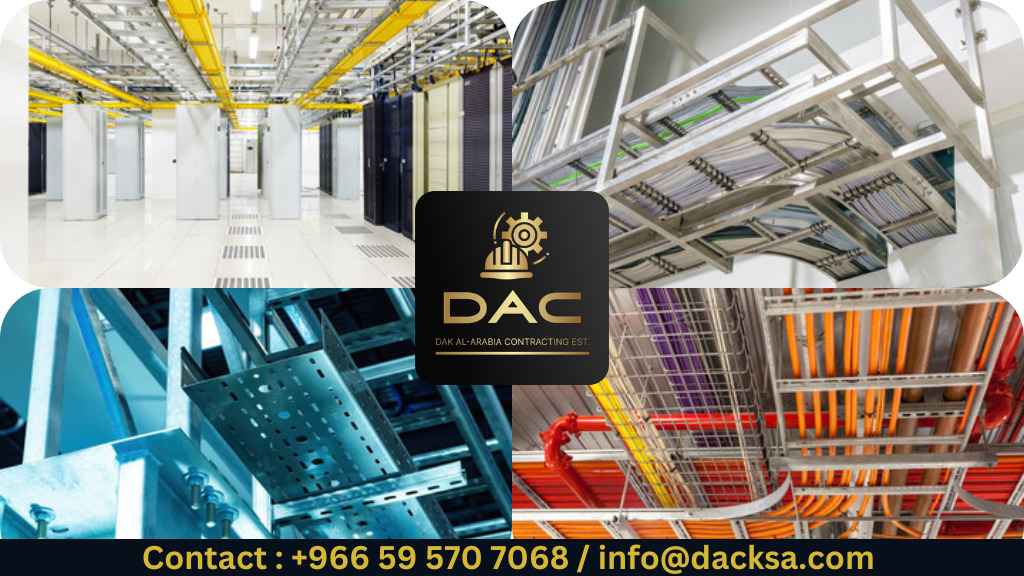
Cable trays play a crucial role in managing and supporting electrical cables in industrial, commercial, and residential applications. Selecting the right cable tray is essential for safety, efficiency, and compliance with industry standards. This guide will help you choose the best cable tray solutions for your needs.
1. Understand Your Cable Tray Requirements
Before selecting a cable tray, consider the following key factors:
Cable Type and Volume: Determine the number and type of cables to be supported.
Environmental Conditions: Assess indoor or outdoor usage, exposure to moisture, chemicals, or extreme temperatures.
Load Capacity: Choose a tray that can handle the weight of your cables without sagging.
Regulatory Compliance & Safety: Ensure the tray meets NEC, NEMA, and IEC standards for electrical safety.
2. Types of Cable Trays and Their Applications
There are several cable management solutions, each designed for specific needs:
a. Ladder Cable Trays
Best for high-heat environments.
Provides excellent ventilation and heat dissipation.
Suitable for heavy-duty power cables.
b. Perforated Cable Trays
Features a perforated base for better airflow and cable support.
Ideal for moderate-weight cables and structured cabling systems.
c. Solid Bottom Cable Trays
Fully enclosed for maximum cable protection.
Recommended for sensitive data and communication cables.
Prevents dust and debris accumulation.
d. Wire Mesh Cable Trays
Lightweight and flexible cable management system.
Suitable for fiber optic and low-voltage cables.
Allows quick installation and easy cable modifications.
e. Channel Cable Trays
Designed for small cable runs.
Best for light-duty applications and single-cable support.
3. Choosing the Right Material for Your Cable Tray
The choice of material affects the durability and performance of the cable tray. Here are the most common materials:
Galvanized Steel – Provides high corrosion resistance and durability.
Stainless Steel – Ideal for harsh environments with chemical exposure.
Aluminum – Lightweight, rust-resistant, and easy to install.
Fiberglass Reinforced Plastic (FRP) – Best for high-corrosion areas like chemical plants and marine environments.
4. Load Capacity & Tray Sizing for Optimal Performance
Select a tray width and depth that accommodates your cable volume.
Ensure the tray supports the total cable weight without excessive deflection.
Consider future expansion for additional cable installations.
5. Best Practices for Cable Tray Installation
Proper Spacing & Support: Install supports at recommended intervals to prevent sagging.
Neat Cable Arrangement: Organize cables properly to reduce electromagnetic interference (EMI).
Compliance with Industry Standards: Follow NEC, IEC, and NEMA guidelines.
Regularly inspect cable trays for damage, corrosion, or loose fittings.
Keep trays free from debris and obstructions.
Ensure proper airflow for heat dissipation in high-power installations.
Conclusion: Choose the Best Cable Management System
Selecting the right cable tray enhances efficiency, safety, and longevity. By considering your specific needs, cable tray type, material, and best installation practices, you can ensure a reliable and NEC-compliant cable support system.
For expert advice and premium-quality cable tray solutions, contact us today!
Partner with DAC Saudi Arabia for tailored solutions that guarantee your success. Contact us today at +966 59 570 7068 or email us at info@dacksa.com to get started!
While the initial cost of steel structure systems may be higher than some other construction methods, the long-term cost-effectiveness of this approach is undeniable. Steel structures are highly durable and require minimal maintenance, which can translate to significant savings over the lifespan of the building.
One of the key factors that contribute to the cost-effectiveness of steel structures is their resistance to environmental factors, such as rot, corrosion, and pests. Unlike wood or concrete, steel does not degrade over time, which means that the building will not require costly repairs or replacements as it ages. This can result in significant savings on maintenance and repair costs, freeing up resources that can be reinvested into other aspects of the project.
Additionally, the prefabricated nature of steel structure systems can lead to significant cost savings during the construction phase. Because the steel components are manufactured off-site, the on-site assembly process is typically much faster and more efficient than traditional construction methods, reducing labor costs and minimizing disruptions to the surrounding area. This can be especially beneficial for projects with tight timelines or limited access to the construction site.
Sustainability and eco-friendliness of steel structures
Sustainability and environmental responsibility are becoming increasingly important considerations in the construction industry, and steel structure systems are well-positioned to meet these demands. Steel is a highly recyclable material, with the ability to be reused and repurposed for new construction projects, reducing the overall environmental impact of the building process.
In addition to its recyclability, steel structures also have a relatively low carbon footprint compared to other building materials. The manufacturing process for steel is highly energy-efficient, and the material itself is highly durable, reducing the need for frequent replacement or renovation, which can further minimize the environmental impact of the building over its lifespan.
Moreover, steel structure systems can be designed to incorporate a range of sustainable features, such as energy-efficient insulation, renewable energy sources, and water-saving technologies. This allows architects and designers to create buildings that are not only structurally sound and visually appealing, but also environmentally responsible and aligned with the growing demand for sustainable construction practices.
Design flexibility and aesthetic appeal of steel structures
One of the most compelling advantages of steel structure systems is their exceptional design flexibility, which allows architects and designers to create a wide range of visually stunning and innovative structures. Unlike traditional construction methods that may be limited by the inherent properties of the materials used, steel frames can be easily customized and adapted to fit a variety of architectural styles and design preferences.
This flexibility extends beyond the structural elements of the building, as steel can also be used to create unique and eye-catching aesthetic features, such as expansive glass facades, intricate lattice work, and bold, angular forms. By leveraging the strength and versatility of steel, designers can push the boundaries of traditional architecture, creating structures that are not only highly functional but also visually striking and aesthetically pleasing.
Moreover, the modular nature of steel structure systems allows for a high degree of customization and flexibility, enabling architects to tailor the design to the specific needs and preferences of their clients. This can be particularly beneficial for commercial or industrial projects, where the ability to adapt the building layout and configuration to suit the evolving needs of the business can be a significant advantage.
Partner with DAC Saudi Arabia for tailored solutions that guarantee your success. Contact us today at +966 59 570 7068 or email us at info@dacksa.com to get started!
Are you searching for a construction method that offers unparalleled strength and durability? Look no further thansteel structure systems. With their exceptional load-bearing capacity and resistance to natural forces, steel structures are redefining the world of architecture.
Whether you’re planning to build a warehouse, a commercial building, or even a residential property, steel structure systems provide a number of advantages. Firstly, steel is renowned for its remarkable strength-to-weight ratio, enabling architects and engineers to create structures that can withstand tremendous loads without excessive bulk. Additionally, steel structures are highly resistant to corrosion, fire, and pests, ensuring their durability and longevity.
But the advantages don’t stop there. Steel structure systems are also highly adaptable, allowing for flexible and efficient customization. They can be easily designed to accommodate various building configurations, making them a versatile option for different projects. Moreover, steel structures are eco-friendly, as they are recyclable and have a low carbon footprint, making them an ideal choice for sustainable construction.
If you want a building that is built to last, steel structure systems are the way to go. Embrace the future of construction with steel and enjoy the benefits of strength, durability, and sustainability.
Premium Stainless Steel Pipes – Renowned for their durability, corrosion resistance, and versatility, our stainless steel pipes are crafted to meet the demanding needs of multiple industries.
The strength and durability of steel structures
Steel is renowned for its exceptional strength-to-weight ratio, making it an ideal material for constructing buildings and structures that need to withstand heavy loads and extreme forces. Unlike other building materials, such as wood or concrete, steel is incredibly strong and durable, capable of bearing massive weights without compromising the structural integrity of the overall design.
This remarkable strength comes from the molecular structure of steel, which is composed of a unique blend of iron, carbon, and other alloys. The atoms in steel are tightly packed, creating a dense and robust material that can resist deformation, cracking, and other forms of structural failure. This strength is further enhanced by the manufacturing process, which involves carefully controlling the temperature, pressure, and other variables to produce a high-quality steel product.
In addition to its impressive load-bearing capacity, steel is also highly resistant to environmental factors that can cause damage to other building materials. Steel is impervious to rot, termites, and other pests, ensuring that the structure remains intact and stable for decades. It is also highly resistant to corrosion, making it an excellent choice for buildings in coastal or humid environments where other materials may quickly degrade.
Advantages of using steel structure systems
One of the primary advantages of using steel structure systems in construction is their exceptional strength and durability. Steel frames are capable of supporting much heavier loads than traditional wood or concrete structures, allowing for the creation of larger, more expansive buildings that can accommodate a wide range of uses, from industrial warehouses to high-rise office towers.
Another key benefit of steel structure systems is their versatility. Steel frames can be easily customized and adapted to fit a variety of architectural designs, from sleek and modern to more traditional styles. This flexibility allows architects and designers to create unique, visually striking structures that meet the specific needs and requirements of their clients.
Steel structure systems also offer significant advantages in terms of construction speed and efficiency. Because the steel components are prefabricated off-site, the on-site assembly process is typically much faster and more streamlined than traditional construction methods. This can lead to significant cost savings, as well as reduced disruption to the surrounding area during the building process.
Ready to elevate your business with the best steel structure systems in the market? Partner with DAC Saudi Arabia for tailored solutions that guarantee your success. Contact us today at +966 59 570 7068 or email us at info@dacksa.com to get started!